
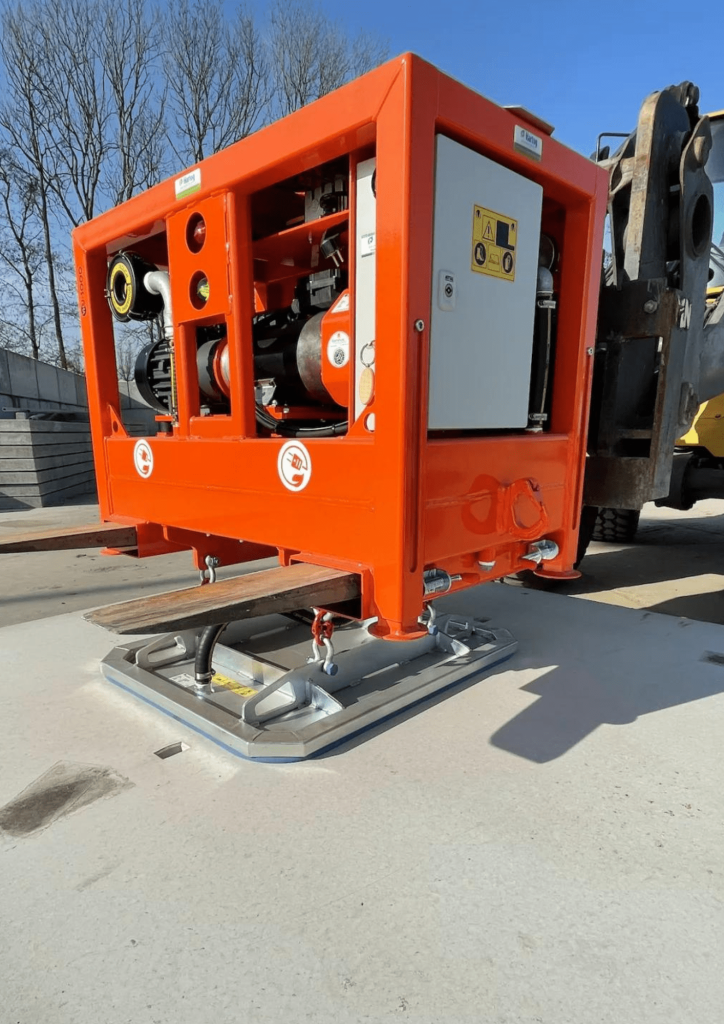
In construction, moving massive sheets of glass, heavy stone slabs, or large metal panels safely requires specialised equipment. Vacuum lifters provide a reliable solution, transforming material handling by allowing crews to lift heavy and awkward materials with precision and safety. This guide explains how vacuum lifters work and why they are essential for efficient construction projects.
What Is a Vacuum Lifter?
A vacuum lifter is specialised material handling equipment designed to lift and transport heavy objects using suction. Unlike traditional lifting methods that rely on straps or clamps, vacuum lifters form an airtight seal between their suction pads and the surface of the object. This technology enables the secure and safe movement of difficult-to-handle materials such as glass panels, stone slabs, and metal sheets.
The main components of a vacuum lifter include a vacuum pump, suction pads (also known as suction feet or cups), and a control system. These parts work together to provide a dependable lifting solution that enhances both safety and operational efficiency on construction sites.
How Do Vacuum Lifters Work?
Understanding how vacuum lifters work involves a straightforward and effective process:
- Vacuum Creation: It begins with a vacuum pump removing air between the suction pads and the material to be lifted.
- Airtight Seal: As air is evacuated, suction pads form a strong seal against the object’s surface.
- Lifting Force: The pressure difference between the outside atmosphere and the vacuum area generates a powerful holding force.
- Secure Transport: Once sufficient vacuum and suction force are achieved, the load can be safely lifted and transported.
- Controlled Release: Upon reaching the destination, the vacuum is released in a controlled way to place the material accurately.
This technique provides exceptional stability during transport while protecting the surfaces of the materials handled. Many modern systems incorporate safety features like warning alarms that alert operators if vacuum levels fall below safe thresholds.
Types of Vacuum Lifters
Vacuum lifters come in various models tailored to specific materials and tasks. Below is an overview of the main types available:
Heavy-Duty
These powerful lifters feature oversized frames and multiple suction pads to handle large, heavy materials such as metal plates and concrete slabs. For example, the Hamevac VHU-3000 series offers lifting capacities up to 3000 kg and various power options, including petrol, diesel, or hydraulic engines, suitable for the most demanding environments.
Vertical-Horizontal
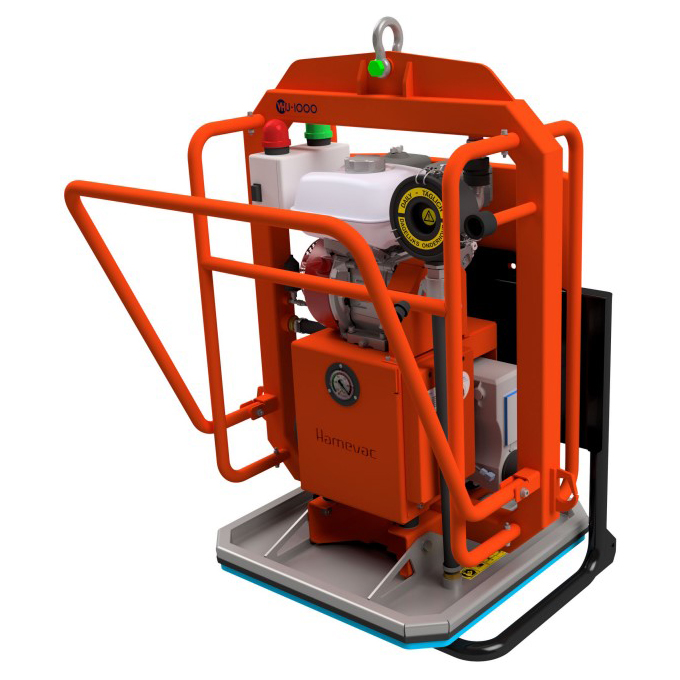
Designed to secure loads either vertically or horizontally, depending on application demands, these lifters provide versatility for tasks such as glass or stone panel installation. The Hamevac VHU-1000-AR model is a fully battery-powered lifter with safety features like visual and acoustic warnings, ideal for varied orientations and remote operations.
Coil Lifters
Specialised vacuum lifters for handling coils or rolls of material, often custom-configured with curved suction pads to ensure a safe grip on cylindrical loads. While Multiquip’s catalogue does not list a dedicated coil lifter model specifically, customised solutions can be developed to suit coil handling requirements.
Battery-Powered
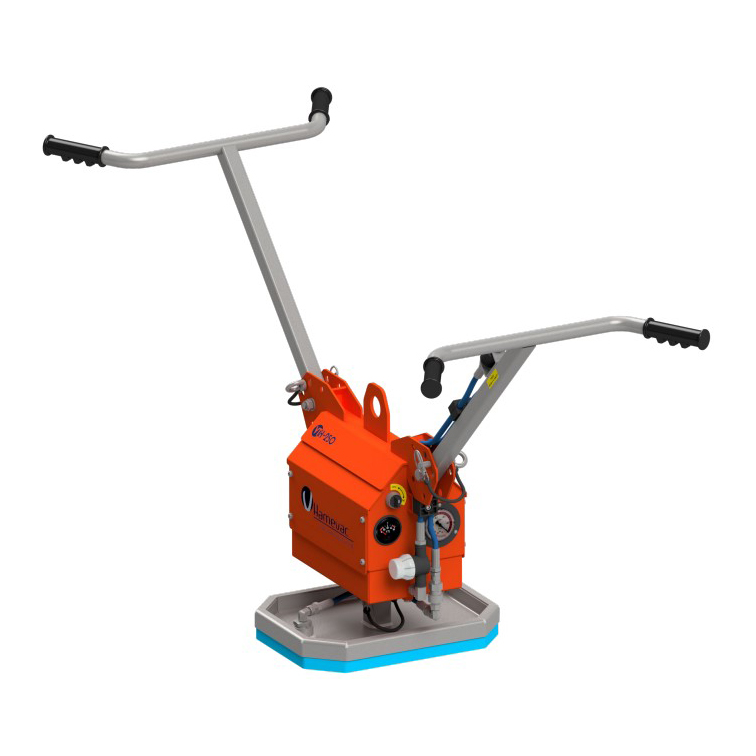
Offering mobility without trailing cables, battery-powered lifters like Hamevac’s VTH-250-A and VTH-500-A / VTH-500-AR models deliver capacities between 250 kg and 500 kg. These zero-emission units incorporate automatic pump shut-off and remote control options to enhance safety and ease of use on site.
Mobile Attachment
These lifters attach to equipment such as forklifts or excavators, combining vacuum lifting with machine mobility for efficient material handling across complex sites. The VTH-150-BL by Hamevac’s standard lifting eye allows mounting on machines, making it suitable for such mobile attachment applications, particularly for smaller loads up to 200 kg.
Benefits of Using Vacuum Lifters
Vacuum lifters significantly improve workplace safety by eliminating manual lifting and reducing physical strain on workers. They also enhance efficiency, enabling a single operator to move heavy loads quickly, tasks that would otherwise require multiple personnel. Additionally, these lifters protect valuable materials by avoiding mechanical clamps that could scratch or damage surfaces, while allowing precise placement crucial for exact installations.
Industry data shows that using vacuum lifting equipment can reduce handling time by up to 80% for certain materials and greatly lower the risk of injury. Many construction companies benefit from cost savings due to reduced labour needs and fewer damaged materials.
Real-World Applications
Vacuum lifters are indispensable across a wide range of construction tasks, offering safe and efficient handling of heavy or delicate materials:
- Glass Installation: Safely lifting and positioning large glass panels for curtain walls, windows, and façades.
- Stone and Tile Work: Precisely placing heavy stone slabs for countertops, flooring, and exterior cladding.
- Metal Fabrication: Moving metal sheets and panels without risk of scratches or dents.
- Precast Concrete: Accurately positioning concrete elements during installation.
- Solar Panel Installation: Handling fragile solar panels carefully during roof mounting.
The versatility and reliability of vacuum lifters make them essential equipment for modern construction projects where safety and efficiency are paramount.
Safety Features & Compliance
Understanding what a vacuum lifter is includes recognising the advanced safety features integrated into modern devices to ensure reliable and secure operation. These include dual vacuum circuits for redundancy, audio-visual alarms that activate if vacuum levels drop below safe thresholds, battery level indicators to prevent unexpected power loss, emergency stop buttons, and manual release mechanisms for emergencies.
Compliance with stringent UK regulations such as LOLER (Lifting Operations and Lifting Equipment Regulations) and PUWER, alongside standards like BS EN 13155, is mandatory. Regular inspections, load tests, and adherence to Health and Safety Executive (HSE) guidelines guarantee that vacuum lifters meet essential safety and operational standards on construction sites.
Maintenance Tips for Longer Lifespan
Proper maintenance is essential for ensuring the reliability and longevity of vacuum lifters. Understanding how vacuum lifters work highlights the importance of routine care, which includes:
- Inspect suction pads regularly for wear, cracks, or debris
- Check vacuum seals and replace them as soon as signs of deterioration appear
- Keep filters clean to maintain optimal vacuum pump performance
- Follow the manufacturer’s guidelines for battery care and charging to avoid unexpected power loss
- Conduct regular function tests of safety systems and alarms to ensure safe operation
- Keep comprehensive maintenance records in line with safety regulations, such as LOLER
A well-maintained lifter not only lasts longer but also provides consistent performance while upholding critical safety standards on site.
Our Final Thoughts
Vacuum lifters have transformed material handling in construction by offering safer, more efficient lifting solutions. Understanding what a vacuum lifter is and how it works helps professionals choose the right equipment to boost safety and productivity on site.
Whether moving delicate glass, heavy stone, or metal sheets, the right vacuum lifter reduces manual handling and material damage while improving workflow.
- To explore our range of vacuum lifters, visit our product page.
- If you cannot find the exact model you need, you can also browse the full Hamevac range directly at Hamevac.com.
For personalised advice tailored to your project, please contact our team.