
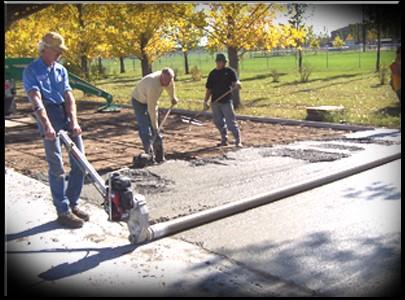
If you work in construction or facilities management, you’ve probably come across floor screed but might not know exactly what it is or why it matters. Screed is a thin layer of material laid over a concrete base to provide a smooth, level surface.
Without screed, your concrete base can be rough, uneven and difficult to finish. A good screed improves durability, protects underfloor services, and prepares the floor for tiles, carpets, vinyl or industrial coatings.
In this guide, we’ll explain:
- What floor screed is and how it differs from concrete.
- The main types of screed and where to use them.
- What a power screed is and how it speeds up floor installation.
- How to use a power screed step by step.
- The benefits and drawbacks of screeded floors.
We’ll also show you how Multiquip UK’s specialist equipment and customer-first service can help you achieve a professional finish every time.
What Is Floor Screed?
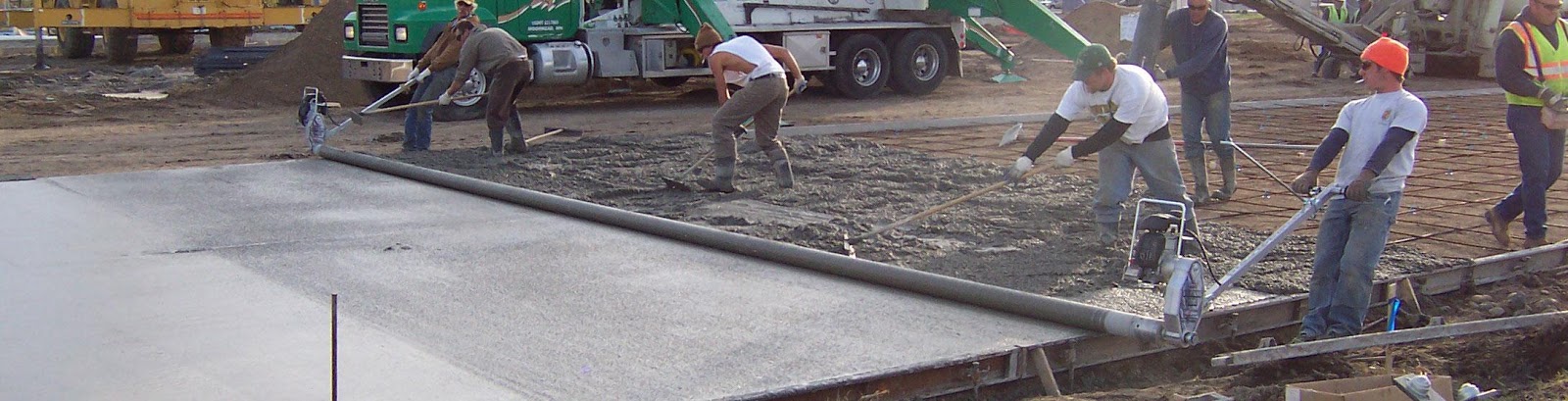
Floor screed is a blend of cement, water and fine aggregates. Unlike concrete, which uses coarse aggregates and is designed for strength, screed uses fine materials to create a smoother, more refined surface. A layer of screed is typically between 35 mm and 75 mm thick, depending on the application.
Its primary purposes are:
- Level and smooth the base: Screed eliminates bumps and dips so that floor finishes can be laid evenly.
- Protect underfloor heating or cables: By covering pipes and conduits, the screed prevents damage and improves thermal transfer.
- Improve durability and appearance: Screeded floors are more comfortable underfoot, easier to clean and can even serve as the final finish in industrial environments.
Screed vs. Concrete
Screed and concrete are both based on cementitious mixes, but they serve different roles.
Concrete is the workhorse: it carries structural loads, forms foundations and slabs, and uses larger aggregates for strength.
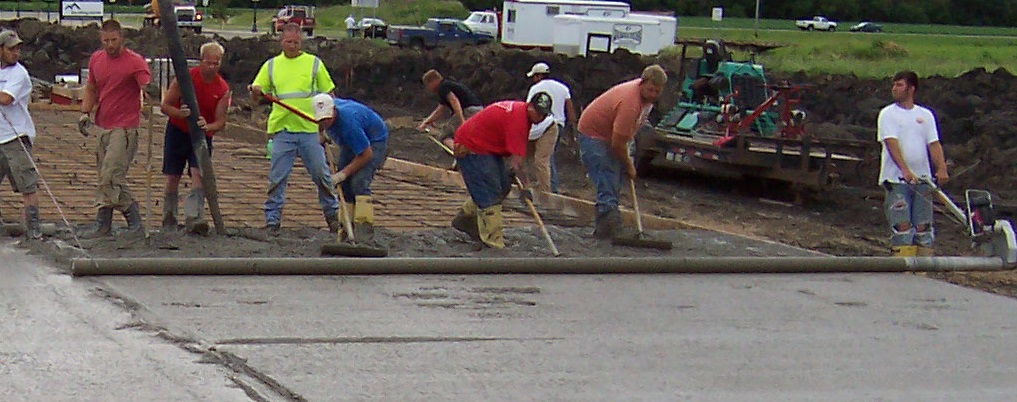
Screed is the finisher: it provides a smooth, stable surface and uses finer aggregates.
Because screed is thinner and more refined, it can cost slightly more per cubic metre but delivers a polished result. Choosing the right combination of concrete and screed ensures that your floor is both strong and attractive.
What are the Types of Floor Screed
Different jobs call for different screeds. Here are the most common types and when to use each of them:
| Type of Screed | Best Used For |
| Bonded | Thin topping directly bonded to concrete. Ideal where heavy loads are expected or space is limited. |
| Unbonded | Laid over a damp-proof membrane to reduce shrinkage and protect against moisture. |
| Floating | Placed on insulation boards; used with underfloor heating or to improve acoustic and thermal performance. |
| Levelling/wearing | High-strength or industrial screeds are used as a structural top layer or final wearing surface. |
Tip: When deciding which screed to specify, consider the load on the floor, whether underfloor heating is present, and any insulation requirements. Always follow BS 8204 guidelines for installation thickness and curing times.
What is a Power Screed?
A power screed isn’t a material at all – it’s a piece of equipment. It uses a vibrating aluminium or magnesium blade mounted to an engine or electric motor. When dragged across freshlypoured floor screed or concrete slabs, the machine vibrates the mixture and distributes it evenly, reducing voids and bringing excess slurry to the surface. This results in a flatter, denser finish with much less manual effort.
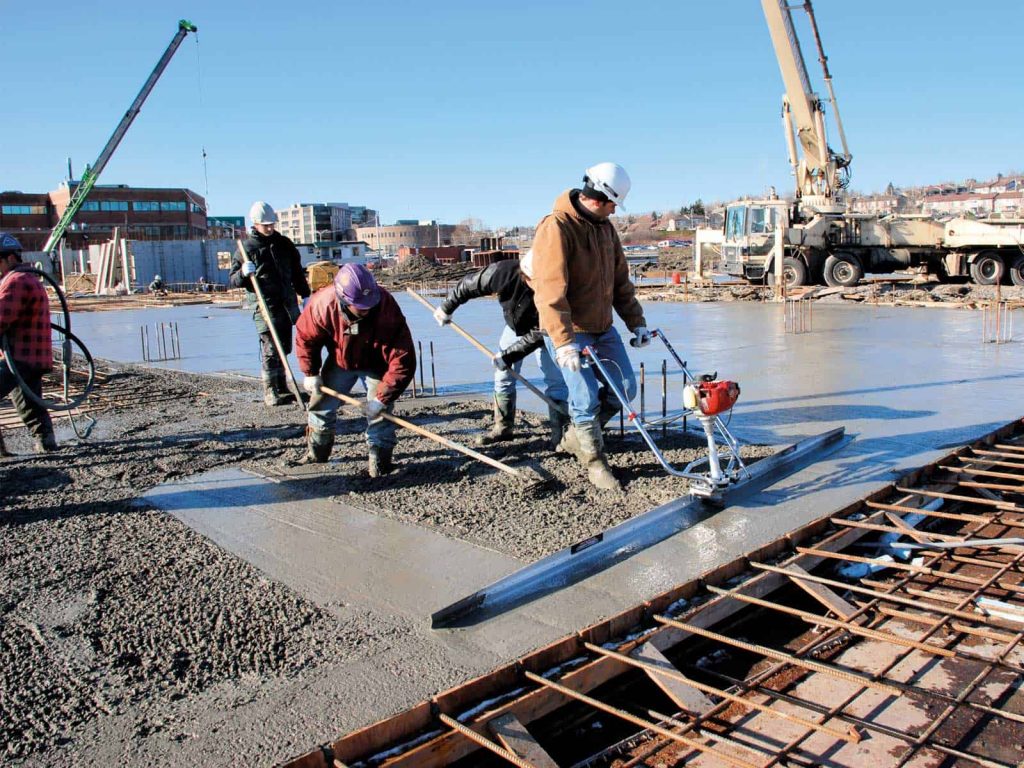
Power screeds are widely used on large slabs because they:
- Save time: Vibrating blades level the material quickly, covering large areas in minutes.
- Improve quality: Vibration removes air pockets and compacts the mix for a denser, more consistent surface and improved durability.
- Reduce fatigue: Operators guide the screed rather than hand-raking heavy material.
- Provide consistency: Uniform vibration gives a smoother finish than manual tamping.
Some people search for ‘what is a concrete screed’, but in practice, this usually refers to a power screed, which is the machine used to level screed or concrete slabs.
How to Use a Power Screed
Using a power screed requires planning, preparation and the right technique. Here’s a simple step-by-step guide:
- Prepare the base: Ensure your concrete slab or insulation boards are clean, level and properly supported. Install any damp-proof membranes, insulation or heating pipes according to the design specification.
- Mix and pour the screed: Use a forced-action mixer or ready-mixed liquid screed to achieve a consistent blend. Pour the screed onto the base, slightly overfilling the area you plan to level.
- Set guide rails: For large floors, lay timber battens or set screed rails at the desired height. This helps maintain a consistent thickness across the floor.
- Start the power screed: Position the vibrating blade at the far side of the pour. Two operators normally guide the screed – one at each end.
- Draw the screed across the surface: Keeping the blade flat, pull the machine towards you. The vibration will consolidate the mix and bring excess material forward. Use a slow, steady pace to avoid tearing the surface.
- Check levels and fill low spots: After the first pass, check the surface with a straightedge. Fill any depressions with additional screed and run the screed again.
- Finish and cure: Once the floor is level, cure the screed by covering it with polythene or curing membranes. Unbonded screeds should be at least 70-75 mm thick, while bonded screeds should be around 35-40 mm. Allow 3 to 7 days before light foot traffic and up to 28 days for traditional screeds before installing floor coverings.
The Benefits of Using Screeded Floors
Screeding offers numerous benefits in both domestic and commercial settings:
Smooth Finish
Screed provides a flat, even surface ready for tiles, timber, vinyl or resin coatings. This improves the aesthetic and functional quality of the floor.
Thermal and Acoustic Insulation
Floating screeds laid over insulation improve energy efficiency and reduce noise transfer.
Protection for Underfloor Services
Screed covers and protects pipes, wiring and ductwork while enhancing heat transfer for underfloor heating systems.
Enhanced durability
A properly cured screed distributes load and reduces the risk of cracking in the finished floor.
Versatility
Screeds can be reinforced with fibres or mesh, coloured, polished or stamped to achieve bespoke finishes.
How to Choose the Right Screed
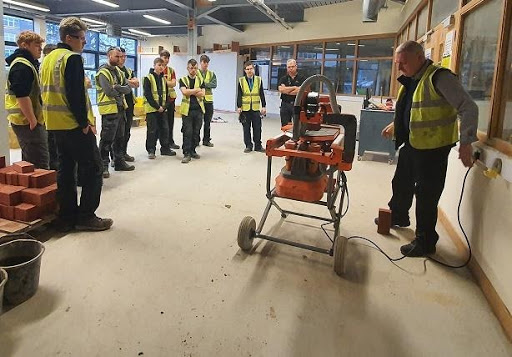
Selecting the correct screed type is critical. Ask yourself:
- What is the load on the floor? Heavy industrial areas require thicker, reinforced screeds; domestic spaces may use thinner, bonded screeds.
- Is underfloor heating or insulation present? Floating screeds are ideal for covering insulation and heating pipes.
- How quickly do you need to return to service? Self-levelling liquid screeds can be pumped quickly and allow rapid application up to 1000 m² per day.
- What finish do you want? Wearing screeds can be polished or textured to become the final floor; bonded screeds are topped with other materials.
If you’re unsure, speak with an experienced screed supplier. Our team at Multiquip UK can help you choose the right screed and the right equipment for your project.
Why Choose Multiquip UK?
Multiquip UK supplies high-quality power screeds, concrete pumps, and other professional construction equipment. We combine decades of industry expertise with responsive customer service. When you order from us, you get:
- Reliable equipment: Our power screeds are engineered for durability and ease of use.
- Technical support: We offer training and advice on screed selection, mixing and installation.
- Prompt delivery: We understand that downtime costs money – our nationwide network delivers equipment and consumables quickly.
- After-sales care: From spare parts to maintenance, we’re here to keep your projects running smoothly.
Explore our range of power screeds and concrete equipment to find the right tools for your next job.
Frequently Asked Questions
What is floor screed and what does it look like?
Freshly laid screed resembles a smooth, grey paste. Once cured, it has a dense, even surface that can be light grey or slightly sandy in colour, depending on the mix. Screed can be left exposed for a rustic industrial look or covered with tiles, wood, carpet or resin coatings.
What is floor screed made of?
Traditional screeds are made from cement, water and sharp sand mixed in a ratio of about 1:3 to 1:4.5. Modern formulations may include additives to improve drying time, strength or thermal conductivity, and some self-levelling screeds use anhydrite instead of cement.
What are the disadvantages of screed flooring?
Although screeding has many advantages, there are drawbacks to be aware of:
- Cost: Screeded floors add material and labour costs compared with leaving a concrete slab exposed. Self-levelling screeds can be more expensive than traditional mixes.
- Drying time: Screed needs time to cure and dry fully. A bonded screed may require at least 7 days of curing and several additional weeks before floor coverings can be installed.
- Thickness: To perform properly, screeds must meet minimum thickness requirements – unbonded screeds should be at least 70 mm thick. This may raise floor levels and require design adjustments.
- Installation skill: Poorly mixed or laid screed can crack, curl or debond. Using a qualified installer and the right equipment (like a power screed) is essential.
The Bottom Line
Screeds may not grab headlines, but they play a vital role in creating floors that are smooth, strong and fit for purpose. Understanding what are the differences between concrete and floor screed, choosing the right screed type, and using a power screed to achieve a professional finish can save time and money while delivering superior results.At Multiquip UK, we’re here to support your next project – from expert advice to reliable equipment. Whether you’re installing underfloor heating, levelling an industrial workshop or finishing a bespoke residential space, get in touch to discuss your requirements or browse our range of screeding equipment.