
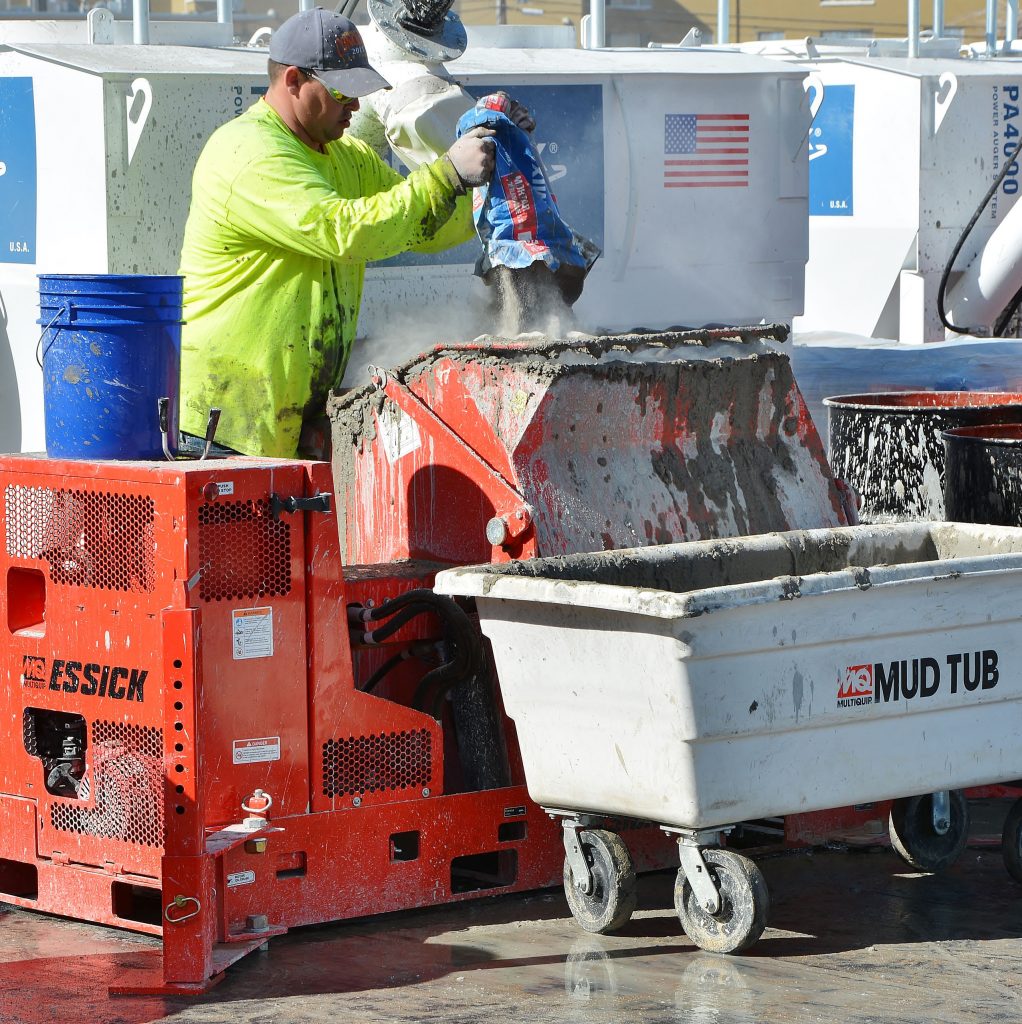
Concrete is no longer used solely for structural purposes; with the right finish, it delivers durable, high-performance surfaces that enhance both protection and visual appeal across walls and floors.
A concrete wall finishing is the final surface treatment applied to vertical concrete or masonry walls to improve durability, appearance and long-term protection. Whether you’re upgrading a domestic interior, improving a commercial façade or specifying finishes for an industrial environment, understanding the available options ensures the best technical and visual outcome.
In this guide, we’ll explain what concrete wall finishing is, outline the most popular types, share practical tips, and highlight the many benefits.
What is a Concrete Wall Finishing?
A concrete wall finishing, sometimes called cement render or plaster, is a protective and decorative layer applied to masonry or cast-in-place concrete walls.
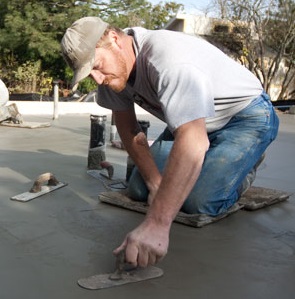
Concrete wall finishes are typically formed from cement-based mortars blended with sand, lime or specialist aggregates, mixed with water to create a workable render. When applied and cured correctly, they bond tightly to the substrate, improving surface cohesion, durability and visual uniformity. Pigments and decorative aggregates can also be incorporated to achieve bespoke colours, textures and architectural effects.
Why Do You Need to Finish Concrete Walls?
- Improves surface integrity and protection: Cement plastering enhances surface cohesion, impact resistance and durability, helping to protect underlying masonry from damage and deterioration.
- Protection from the elements: A plastered wall forms a barrier against moisture, helping to prevent water ingress and weathering.
- Acoustic comfort and fire performance: Cement-based finishes can provide minor sound dampening and improved surface fire resistance, contributing to safer, more comfortable interior environments when used alongside dedicated insulation systems.
- Aesthetic enhancement: A well-finished wall hides rough surfaces and construction imperfections, creating a smooth, attractive backdrop for paint or further decoration.
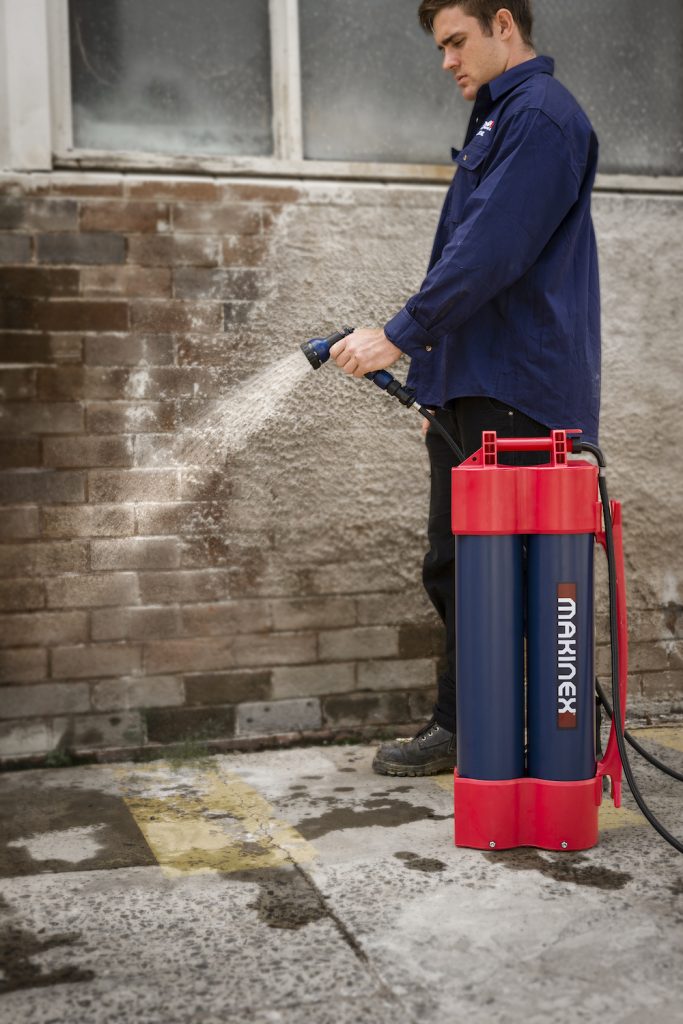
Different Types of Concrete Wall Finishes
Concrete walls can be finished in numerous ways depending on the desired texture, durability and style. Here are some common finishes, along with tips for when to use them:
Smooth cast finish
A smooth cast, also called trowelled or float finish, uses a cement-fine sand mix applied with a wooden float. This finish is often used on exterior walls because it creates a dense, hard surface that stands up to weather and high foot traffic. For interior feature walls, a steel trowel can be used to achieve a more polished look.
Tip: Avoid over-trowelling external walls – excessively smooth surfaces can be prone to cracking when exposed to the elements.
Roughcast (dash coat)
Roughcast plaster mixes coarse aggregate, cement and sand. It’s thrown onto the wall with a trowel and levelled with a wooden float. The result is a robust, textured surface that hides flaws and provides extra weather resistance. Roughcast is ideal for rustic or industrial schemes and exterior facades.
Sand-faced finish
This two-coat system uses a cement–sand mix followed by a second layer that is sponged to bring fine sand to the surface. The sand-faced finish creates a uniform, slightly rough texture that helps to reduce the appearance of hairline cracks. It’s often used on exterior walls and as a base for paint.
Scrapped finish
After the final coat has been set for several hours, a toothed blade or other tool is dragged over the surface to create a coarse texture. This finish provides extra grip and visual interest. It’s suitable for feature walls or areas where slip resistance is less important.
Textured and patterned finishes
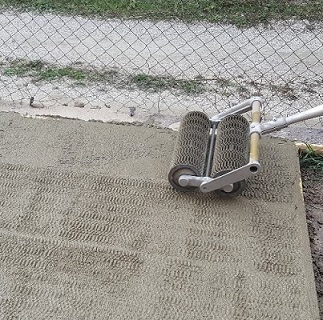
Tools such as sponges, combs or rollers can be used to add different textures to plastered walls. For a bespoke look, stencils or stamps similar to those used in decorative concrete can be pressed into the surface to create brick, stone or geometric patterns.
These decorative concrete finishing techniques replicate the appearance of more expensive materials at a lower cost. When using stamps or stencils, be sure to follow manufacturer instructions and allow sufficient curing time to prevent cracking.
Coloured and stained finishes
Pigments can be added directly to the plaster or applied as stains on top of cured concrete. Coloured finishes offer extensive design flexibility and can support architectural themes or corporate branding. For the most durable result, integral colouring (where pigment is mixed into the mortar) tends to be more colourfast.
Exposed aggregate finish
Although more common on floors and outdoor surfaces, exposed aggregate can also be used on walls for a striking, tactile effect. Decorative stones or glass are embedded in the plaster and the top layer is removed to reveal the aggregates. This finish is durable and provides a unique, natural texture.
Polished and microcement finishes
For a sleek, contemporary look, concrete walls can be polished using progressively finer abrasives to achieve a matt or high-gloss sheen. Microcement, a thin cement-based coating system, offers similar visual results with significantly reduced build-up and weight. It can also be applied directly over existing surfaces, making it ideal for renovation projects. Both options are popular in modern interiors and commercial spaces.
8 Benefits of Concrete Wall Finishing
1. Durability and longevity
Concrete finishes are celebrated for their exceptional durability. They can last decades with proper maintenance, resisting environmental challenges such as moisture, freeze–thaw cycles and UV exposure.
Key benefits include reduced need for repairs or replacement, cost savings over time and the ability to withstand heavy use. Cement plaster also improves surface cohesion and impact resistance, helping to preserve the long-term condition of brick and stone walls.
2. Protection and insulation
A finished wall provides a barrier against water ingress, protecting structural materials from damage. Cement-based finishes can contribute to acoustic comfort and surface fire performance, particularly when combined with appropriate insulation and lining systems. These features make concrete finishes suitable for both internal and external walls, improving comfort and safety.
3. Low maintenance
Concrete wall finishes require minimal upkeep. A simple sweep or occasional wipe is often all that’s needed to keep them looking good. Unlike painted drywall or timber cladding, plastered walls don’t need frequent repainting or sealing. This reduced maintenance leads to long-term cost savings and less time spent on upkeep.
4. Aesthetic versatility
One of concrete’s greatest strengths is its design flexibility. You can create smooth, polished surfaces for a modern feel, or textured finishes for rustic charm. Techniques such as stamping, stencilling, colouring and exposing aggregate provide extensive design flexibility for architectural and commercial applications.
Concrete finishes can mimic natural stone, brick or even wood – all while retaining the durability of concrete.
5. Cost-effectiveness
Although some decorative finishes require skilled labour, concrete wall finishing is generally a cost-effective choice. The initial expense is balanced by durability and low maintenance costs.
For large commercial projects, concrete finishes often provide better value than alternative cladding or panelling systems. Over the lifespan of the building, the savings from reduced repairs and maintenance can be substantial.
6. Sustainability and eco-friendliness
Concrete finishes can support sustainability goals through long service life, reduced maintenance requirements and the ability to incorporate recycled aggregates or low-carbon cement blends. Local sourcing also helps minimise transport emissions, making concrete wall finishing a responsible and durable choice for modern construction projects.
7. Safety
Slip-resistant textures and non-skid additives are especially important for floors, ramps, walkways and pool surrounds, where improved traction reduces the risk of slips and accidents in wet or high-traffic conditions. Traction patterns such as broom or swirl finishes increase friction and make surfaces safer in wet conditions. For pool surrounds, steps and landscaped walkways, choose finishes designed to improve grip and reduce accidents.
8. Concealing imperfections
Cement plaster can hide uneven surfaces, faulty workmanship and construction defects. If your existing wall is unsound, a well-applied finish creates a smooth base for primer and paint. Decorative textures can also distract the eye from structural irregularities, giving a fresh look without major rebuilding.
Tips for Choosing and Applying Concrete Wall Finishes
- Assess the environment: For exterior walls exposed to weather, choose robust finishes such as smooth cast, sand-faced or roughcast. For interiors, polished or coloured finishes can create feature walls.
- Prepare the substrate: Clean the wall, repair cracks and ensure surfaces are dry and dust-free. Apply a suitable bonding agent if the wall is old or porous.
- Mix correctly: Use clean, potable water free from chlorides or impurities. Keep to the manufacturer’s recommended ratios; over-watering weakens the finish and increases shrinkage cracks.
- Apply in thin coats: Multiple thin coats (often two or three) reduce cracking and improve adhesion. Scratch the first coat so subsequent layers bond well.
- Cure properly: Keep the finish moist after application for at least 7 days. Protect it from wind and direct sun to prevent rapid drying and cracking.
- Seal and maintain: Once cured, consider sealing decorative finishes to protect colours and textures. Regularly clean surfaces with a soft brush or mild detergent to prevent staining.
How Multiquip UK can help
At Multiquip UK, we supply high-quality equipment and materials for concrete finishing across the UK. Whether you’re applying a smooth plaster coat or creating a decorative exposed aggregate wall, we have the tools and expertise to help you succeed.
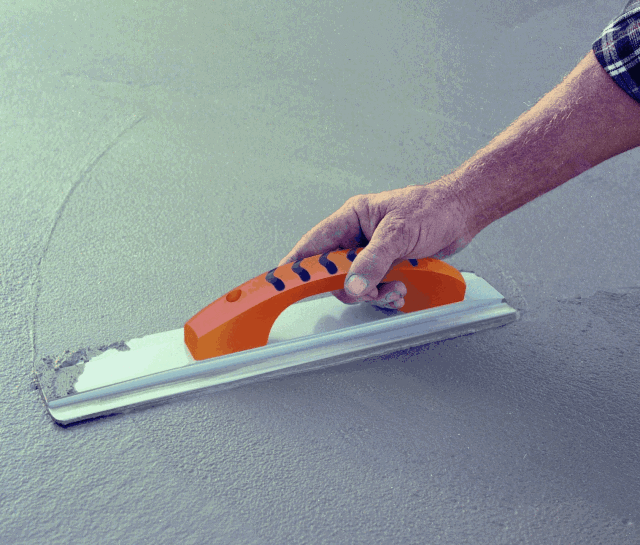
Our range includes:
- Trowels, floats and sprayers for applying smooth and textured finishes
- Plaster mixers and pumps for consistent, efficient mixing
- Polishing machines and abrasive discs for achieving a high-gloss shine
- Decorative stamps and stencils for pattern-imprinted walls and floors
- Sealers and curing compounds to protect your finished surfaces
Need advice on selecting the right finish? Contact us today for friendly, expert guidance. Ready to upgrade your tools? Explore our concrete finishing products to find the equipment you need.
Frequently Asked Questions (FAQs)
Concrete wall finishing refers to treatments applied to vertical surfaces to protect and decorate masonry or concrete walls, while cement floor finishing refers to techniques used on horizontal slabs. Many finish types, including smooth, textured, coloured and decorative treatments, can be used on both walls and floors; however, floor finishes often focus on slip resistance and durability under foot traffic.
With proper preparation, application and maintenance, concrete wall finishes can last decades. The finish’s longevity depends on environmental conditions, materials used and quality of workmanship.
Yes. Decorative finishes such as stamps, stains or polished surfaces retain the inherent durability of concrete while adding aesthetic appeal. Choosing the right sealers and following good maintenance practices will prolong the life of decorative finishes.
Costs vary depending on the finish type, labour, location and surface area. Smooth or sand-faced finishes are generally cheaper, while decorative finishes such as stamping or polished microcement require more skill and materials. However, concrete finishes are often cost-effective compared with alternative wall cladding options due to their durability and low maintenance.
The Bottom Line
Concrete wall finishing is a practical and versatile solution for protecting and beautifying your walls. From simple smooth plaster to intricate stamped patterns, there’s a finish to suit every style and budget.
The advantages – strength, protection, low maintenance, design flexibility, cost-effectiveness, sustainability and safety – make concrete finishes a smart choice for both residential and commercial projects.
If you’re ready to transform your space, trust Multiquip UK to provide the tools, materials and support you need. Explore our products, give us a call for expert advice and discover how the right finish can elevate your walls and floors.