



Rent Concrete Tools: A Practical Guide for Site Teams
Renting concrete tools can be a smart choice when you need specialist equipment for a short-term project, want to avoid a high upfront cost, or simply do not have the space to store and maintain machinery long-term. For many contractors and construction businesses, hiring concrete equipment provides access to the right tools for the job without the commitment of ownership.

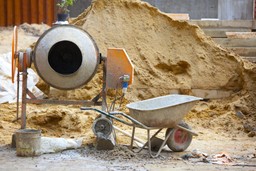
Concrete work often involves a range of equipment, from mixing and cutting to compacting, vibrating, screeding, finishing and surface preparation. Purchasing every tool for occasional use can be difficult to justify, particularly when it may only be needed for a few days or weeks.
With that in mind, this guide explores when it makes sense to hire concrete equipment, the types of tools commonly available for hire, and how to decide whether hiring or buying is the better fit for your project.
Why Rent Concrete Tools Instead of Buying?
Flexibility is one of the biggest advantages of renting concrete tools. Rather than investing in equipment that may only be used occasionally, you can hire what you need for the duration of the project and return it once the work is complete.
In addition, hiring removes many of the responsibilities that come with ownership. Concrete equipment can be bulky, heavy and difficult to store, while powered machinery often requires servicing, inspections and replacement parts to keep it operating safely and efficiently.
As a result, hiring gives you access to professional-grade equipment for short-term projects without the ongoing costs associated with ownership. It also allows you to select the most suitable equipment for each task instead of relying solely on the tools you already have.
When Does It Make Sense to Rent Concrete Equipment?
Hiring concrete equipment is often the most practical option when the work is project-based, occasional, or requires specialist machinery that would not see regular use.
Examples include:
- One-off concrete pours
- Small repair projects
- Concrete cutting work
- Floor preparation
- Slab finishing
- Demolition or removal work
- Specialist compaction tasks
Hiring may be particularly useful when:
- The equipment is only needed for a short period
- The project requires specialist machinery
- Purchasing would not be cost-effective
- Storage space is limited
- The equipment is unlikely to be used regularly afterwards
- You want to evaluate equipment before purchasing
- The project requires larger or more specialised equipment than you normally use
For instance, a contractor may already own basic hand tools but choose to hire a power trowel, concrete vibrator, plate compactor or concrete saw for a specific job.


Common Concrete Tools and Equipment You Can Hire
Because concrete work involves several stages, the equipment required will vary depending on the task.
Common categories of hire equipment include:
- Concrete mixers for batching and mixing concrete on site
- Screeds for levelling freshly placed concrete
- Bull floats and hand tools for finishing slab surfaces
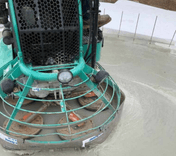
- Power trowels for finishing larger concrete floors
- Concrete vibrators and poker vibrators for consolidating concrete and removing entrapped air and improving consolidation
- Plate compactors and rammers for groundwork preparation
- Concrete saws and cutting equipment for controlled cutting applications
- Breakers for demolition and concrete removal
- Sprayers for curing compounds and surface treatments
For mixing and levelling applications, Multiquip UK’s concrete screed and mixers provide a range of suitable equipment. Meanwhile, for finishing work, the concrete finishing tools range includes tools commonly used for slab and flatwork finishing.
Hire Concrete Equipment Based on the Job, Not Just the Price
When hiring concrete equipment, the cheapest option is not always the best choice. Equipment that is too small, unsuitable, or inefficient for the task can slow progress and affect the quality of the finished result.
A good starting point is to consider the type of project you’re undertaking. A small repair, commercial floor slab, driveway installation, floor preparation project or concrete cutting application may all require different equipment.
Factors to consider include:
- The size of the working area
- The thickness and specification of the concrete
- The required surface finish
- Site access and available working space
- Whether petrol, electric or battery-powered equipment is most suitable
- Operator competence and training
- Hire duration
- Delivery and collection arrangements
- Availability of operating instructions and technical support
If you’re unsure which equipment is right for the job, seeking advice before booking can help.
Rent vs Buy: Which Option Is Better?
Both hiring and purchasing have their advantages. Ultimately, the right choice depends on how often the equipment will be used and how important immediate access is to your business.
| Situation | Better Option |
| One-off concrete project | Hire |
| Occasional specialist work | Hire |
| Limited storage capacity | Hire |
| Trialling equipment before purchase | Hire |
| Regular daily use | Buy |
| Frequent use across multiple projects | Buy |
| Need guaranteed availability at all times | Buy |
| Have facilities and resources for maintenance | Buy |
If equipment is likely to spend long periods unused, hiring is often the more economical route. Conversely, if it forms a core part of your day-to-day operations, purchasing may offer better value over time.
Tools Worth Hiring for Different Concrete Jobs
Different stages of concrete construction often call for different types of equipment.
For groundwork preparation, plate compactors are commonly used to compact sub-base materials before concrete is placed. Proper compaction helps create a stable foundation and can reduce the risk of settlement.
For mixing applications, concrete mixers can be useful when ready-mixed concrete is not practical or when smaller batches are needed on site.
When working on slab construction, screeds, floats and finishing equipment help achieve the required surface profile and finish. Larger floor slabs may benefit from power trowels where a smoother, denser finished surface is needed.
For concrete consolidation, concrete vibrators are commonly used to reduce air voids and help concrete fully surround reinforcement and formwork details.
Meanwhile, for cutting, demolition and surface preparation work, Multiquip UK’s material cutting and surface preparation equipment provide additional equipment options depending on the application.
What to Check Before Hiring Concrete EquipmentBefore arranging equipment hire, it is important to understand exactly what the project requires. This helps reduce the risk of selecting unsuitable equipment and can prevent delays once work begins. Consider the following questions:
Providing clear project details helps suppliers recommend equipment that is suitable for the application. |
How Multiquip UK Can Support Concrete Tool Hire Decisions
Choosing the right equipment isn’t always straightforward, as different projects often require different approaches. Floor preparation, slab finishing, compaction and cutting work may each call for specialist equipment depending on the specification, site conditions and scale of the project.

To help with this, Multiquip UK supplies a wide range of concrete and construction equipment for professional site use. If you’re weighing up hire and purchase options, submitting a hire enquiry or reviewing the relevant equipment categories can help identify suitable solutions for your project.
You can also learn more about concreting equipment in construction for a broader overview of equipment commonly used throughout the concreting process.
Final Thoughts…
Whether you rent or buy concrete tools will usually come down to project duration, budget, storage capacity, frequency of use and the type of work involved. Hiring is often a practical solution for short-term projects, occasional specialist applications and situations where ownership would not provide enough value.
However, for equipment that is used regularly across multiple projects, purchasing may prove more cost-effective in the long run. The key is to assess your overall workload and operational needs rather than focusing solely on the initial cost.
If you’re still deciding whether to hire or buy, speak to the Multiquip UK team for practical advice on choosing the most suitable equipment for your project.